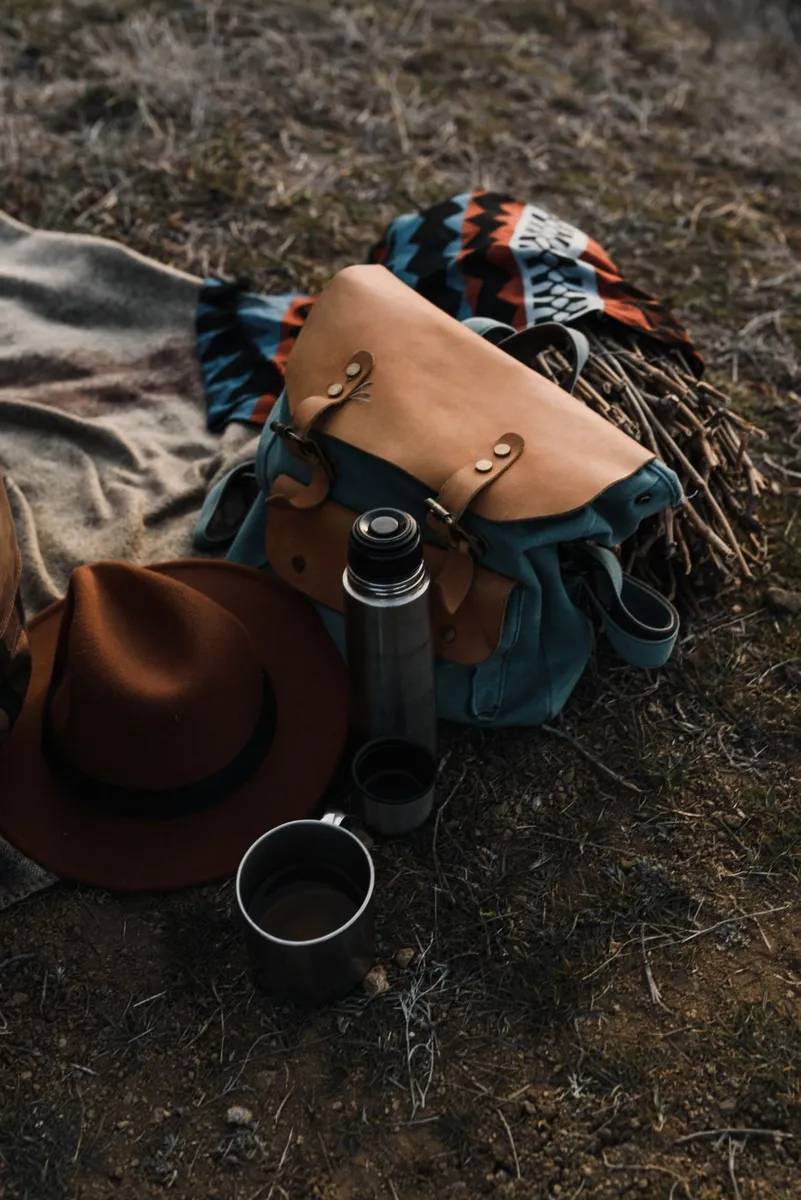
Imagine arriving at the park with sandwiches, a toddler's shoes and a bag of oranges. The grass looks dry until you sit down. A picnic blanket has one job before it becomes part of a pretty lunch: create a comfortable place to put people and food. The right choice depends less on the pattern than on the ground beneath it, the walk from the car and how you plan to clean it afterward.
Compare the options
Measure the lunch, not just the number of people
A blanket advertised for four people may fit four seated adults only if everyone keeps their legs tucked in. Your actual picnic also includes a food container, water bottles and perhaps a bag you would rather keep off damp ground. Tape a prospective blanket's dimensions on the floor at home, sit inside the outline and place your usual lunch kit in the middle. This simple rehearsal is more informative than a lifestyle photograph.
Shape matters too. A rectangular blanket works well when two people want to stretch out beside each other. A square can organize a small group around shared food. If one adult expects to supervise children while staying seated, reserve clear space along an edge rather than filling every corner with belongings.
Match the bottom layer to your usual ground
For moist grass, read the actual backing description rather than assuming that any outdoor fabric stops water. NEMO's Victory Patio product page, for example, distinguishes its top fabric from its waterproof TPU bottom. That distinction is useful when comparing any brand: the sitting surface and ground barrier perform different jobs.
A waterproof bottom is not an invitation to sit in a puddle. Water can reach the upper fabric from an edge, a spill or damage. Clear sharp debris before spreading the blanket and choose a reasonably level patch. On sand, prioritize a manageable surface and anchoring arrangement, but treat 'sand-free' as a claim to examine rather than a promise that wet sand disappears.
Think through the messy return journey
The most useful closure allows you to separate the dirty underside from the sitting surface. Practice folding a new blanket once before its first trip. A carrying strap that takes several precise folds may feel acceptable at home and frustrating with crumbs blowing around at the park.
Read the care label before purchase. If family outings routinely involve spilled juice, a blanket requiring only delicate spot treatment may be the wrong fit. Compare washing instructions, drying instructions and whether the item fits your laundry setup. Dry it fully before storage, and inspect a coated backing for peeling or punctures rather than assuming it lasts indefinitely.
Spend on comfort you will actually use
A premium padded blanket makes sense when you regularly spend hours sitting on firm ground and carry it only a short distance. It is harder to justify if most outings are brief lunch stops during a walk. In that case, a compact mat plus the clothing already in your bag may be sufficient.
Avoid paying extra for accessory bundles before checking what you own. A basic carry strap, a washable surface and an appropriate size may be more valuable than numerous pockets. If you already have a clean groundsheet and comfortable cushions for a backyard meal, use that setup once before buying a specialized blanket. The missing feature will become obvious.
Questions before you buy
Can a picnic blanket replace a sleeping pad?
Do not assume so. A picnic blanket may add softness, but it is not necessarily designed or rated to insulate a sleeper from the ground. Use appropriate sleeping equipment for overnight camping.
Is a bigger picnic blanket always better?
Only if you will carry, unfold and clean it willingly. Choose enough room for your regular group and meal, then check the packed dimensions against the bag or stroller basket you actually use.
Should I buy a waterproof top as well as a backing?
For normal lunches, the backing addresses ground moisture while the upper surface affects comfort and cleanup. A wipe-clean top may suit frequent spills; a softer fabric may feel better for lounging. Check the exact construction and care instructions.
Sources & editorial notes
This guide combines original shopping scenarios and editorial reasoning with the published resources below. It does not claim hands-on testing. Product specifications, availability and retailer terms can change; verify the exact listing before purchasing. Sources checked October 4, 2026.
Found something that needs correcting? Contact the editor.