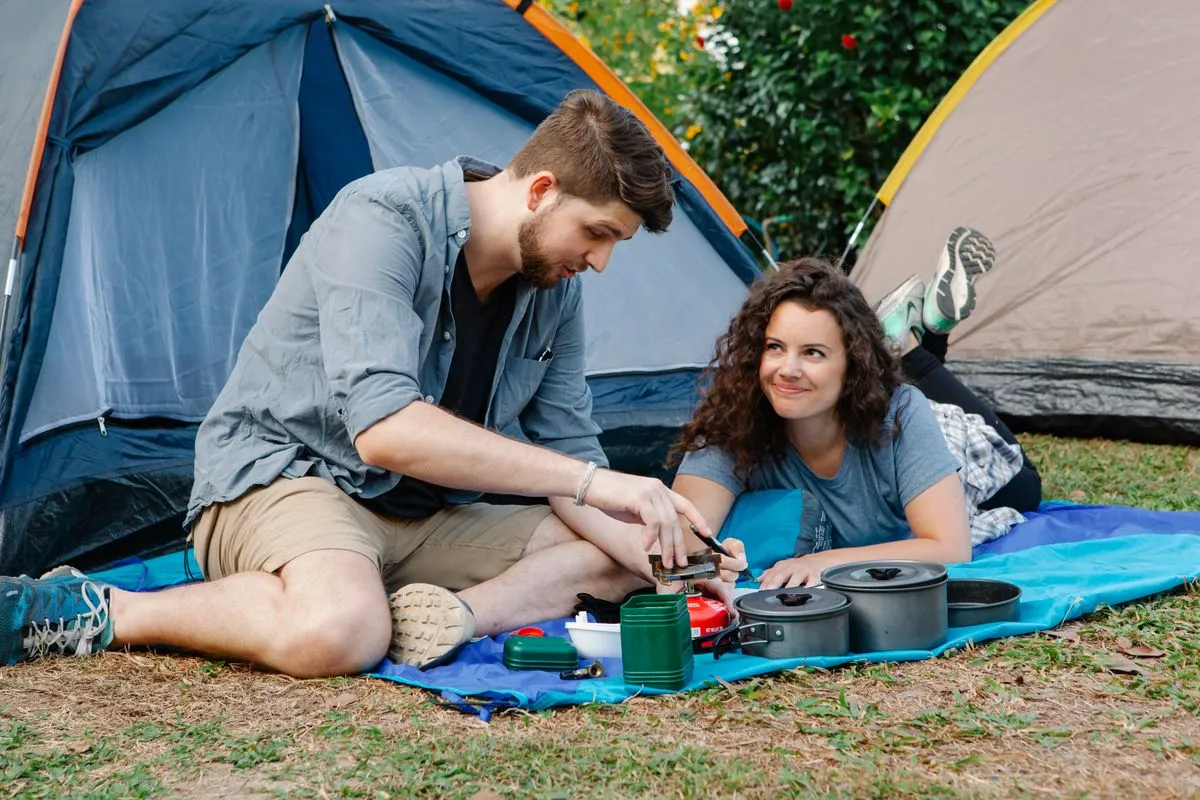
Imagine arriving at a campground after work. One person wants pasta, another needs hot water, and darkness is approaching. A tiny burner can prepare dinner, but doing everything in sequence changes the evening. The right stove follows your menu and your available workspace. This guide compares stove types rather than claiming an untested model is the best.
Compare the options
Start with a two-meal rehearsal
Write down one breakfast and one dinner you would genuinely cook outdoors. Count the vessels that need heat at the same time. Eggs and coffee suggest two burners; oatmeal followed by coffee can use one. A large stir-fry calls for a different support surface than a narrow water pot. This exercise prevents buying a powerful stove that still cannot fit your dinner.
Lay your cookware on a table in its expected arrangement. Measure the widest points, including handles. Compare those measurements with burner spacing and the manufacturer’s maximum pan dimensions, not just the stove’s exterior width. A second burner has little value if your frying pan prevents a kettle from sitting safely beside it.
Buy controllability before impressive numbers
A maximum output figure is only one piece of the experience. If your menu includes sauces, rice or eggs, investigate whether the controls allow a stable low flame. Read the manual and look for clearly described simmer adjustment. Independent model testing can answer questions a specification table cannot; retailer stars alone do not establish low-heat performance.
Consider the person turning the knobs. Controls should remain reachable when your intended pans are in place. A latch that is awkward at home will not become easier when dinner is late. Where possible, handle a display model, open its lid and assess how it will sit on your campsite table.
Treat fuel as part of the purchase
Use only the fuel, connectors and accessories the manufacturer approves. Include compatible fuel in your packing budget and confirm local availability before traveling. A low purchase price becomes less useful when the correct cartridge is hard to obtain near your destination. Do not improvise adapters or assume that similar-looking connections are interchangeable.
Keep fuel storage and transport instructions with the kit. Check campsite restrictions shortly before departure: permission to camp does not automatically mean every cooking method is allowed. For the first trip, take meals that can also be eaten without heating so a stove problem does not leave the whole group without dinner.
Create a safe cooking station
CPSC warns that fuel-burning camping equipment can cause fatal carbon monoxide poisoning in enclosed spaces. Use an outdoor camping stove outside, never inside a tent, vehicle or other enclosed shelter. A partially open door is not a reason to cook inside. Follow the stove manual’s clearances, setup and shutdown directions, and keep children away from the cooking area.
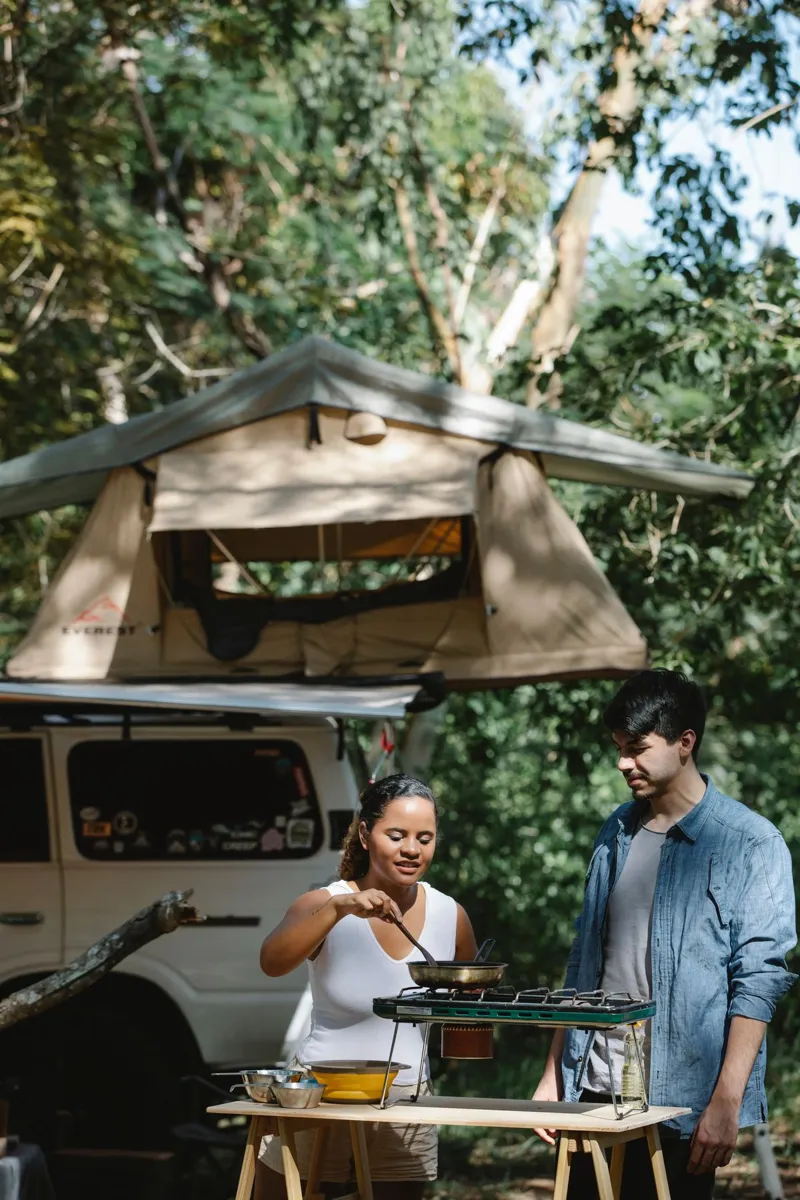
Choose a stable surface with enough room for the stove, pot handles and a safe place to set hot cookware. Never add an improvised windscreen around a fuel canister; use only an arrangement approved for that stove. Plan the location before lighting anything rather than moving a lit setup to make room for plates.
Spend on the missing capability
If your existing stove boils water reliably and your meals are simple, a new stove may solve nothing. A better-sized pot or an organized kitchen box may be the more useful purchase. Conversely, a second burner is a meaningful upgrade when one person repeatedly eats while another meal is still cooking.
Compare the complete price: stove, required regulator or hose, approved fuel, carrying protection and suitable cookware. Before the return window ends, inspect the parts and follow the manufacturer’s outdoor first-use procedure. Keep the receipt and manual where the next person packing the camp kitchen can find them.
Questions before you buy
Do I need two burners for two people?
No. The menu matters more than the head count. One-pot meals work on one burner, while a solo camper making a cooked breakfast and coffee may appreciate two.
Can a backpacking stove replace a car-camping stove?
Sometimes, if its approved pot size and cooking behavior suit your meals. Do not balance oversized pans on a small support just to avoid buying a different setup.
Should I buy the highest-output stove?
Only when that capability serves your cooking. Pan fit, low-flame control, packed dimensions and compatible fuel deserve equal attention.
Sources & editorial notes
This guide combines original shopping scenarios and editorial reasoning with the published resources below. It does not claim hands-on testing. Product specifications, availability and retailer terms can change; verify the exact listing before purchasing. Sources checked October 4, 2026.
Found something that needs correcting? Contact the editor.