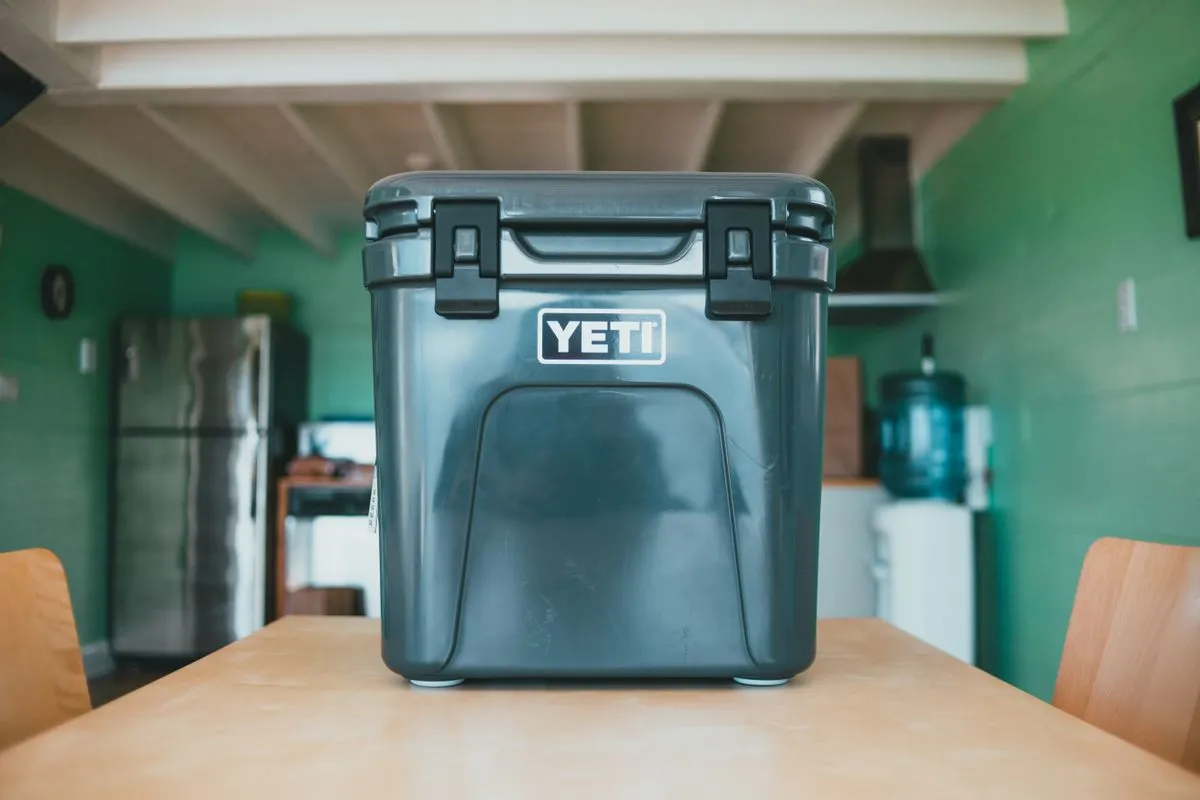
Picture a Saturday morning departure: sandwiches, dinner ingredients and drinks are ready, but the cooler takes two people to lift and occupies the space reserved for a camp chair. More capacity is not always more useful. A cooler should fit your food plan, vehicle and route from the parking area to the picnic table.
Compare the options
Size the food before sizing the box
Plan meals first and assemble the actual reusable containers you expect to pack. A bulky casserole tub can be harder to fit than several slim containers even when the total food volume is similar. Include breakfast ingredients, condiments and leftovers. Then reserve room for ice or ice packs rather than treating the entire advertised capacity as usable grocery storage.
Check internal dimensions as carefully as external ones. Tall bottles can force you to buy a deeper cooler, while a shallow container layout may work in a smaller box. If you routinely bring only lunch, a huge cooler asks you to carry and cool empty space. For a longer trip, scheduled resupply may suit you better than one very heavy load.
Think through every lift
The difficult part is often getting a loaded cooler out of the trunk, not moving it across level ground. Consider the trunk lip, door opening and where your hands will go. A comfortable empty handle does not establish comfortable carrying when loaded. If two people normally travel together, side handles may help; solo travelers need a genuinely manageable complete load.
For a wheeled model, inspect wheel width, ground clearance and handle position. Choose for the route you actually walk. A smooth paved path and a beach access stairway are different jobs. Check whether the wheels and handle can be repaired or replaced, since those moving parts determine how useful the cooler remains over time.
Make temperature measurable
FDA guidance says perishable food should be kept at 40°F or below. Pack a cooler thermometer and check conditions during the trip. Food should not sit out for more than two hours, or one hour when the temperature is above 90°F. A cooler’s branding or remaining cold water does not replace temperature management.
An ice-retention claim describes a particular test or marketing scenario, not a guarantee for your campsite. Weather, loading and repeated opening change conditions. Keep the cooler shaded where practical, close it promptly, and plan accessible portions so you do not search through the whole box for every snack. Follow local wildlife storage rules; an ordinary hard cooler is not automatically bear-resistant.
Organize around opening frequency
If the group reaches for drinks constantly, consider separating beverages from perishable meal ingredients. This can be as simple as a small existing lunch bag for the afternoon drinks, rather than buying two premium coolers. Put the next meal in an easy-to-reach container and label similar-looking boxes before leaving home.
Contain raw foods securely and separate them from ready-to-eat items. A basket can be useful for keeping certain items above meltwater, but measure it against the containers you use. An accessory that looks tidy in a product photo may consume the only space that fits your dinner. Choose organization that you will actually maintain when packing in a hurry.
Pay for construction you will use
Frequent camping may justify stronger hinges, a gasket, replaceable latches and a body you can clean easily. Occasional park visits rarely require the most elaborate construction available. Inspect the drain arrangement, corners and lid seal. Ask whether you can dry the interior fully in your home; persistent damp storage is an avoidable inconvenience.
Before ordering, compare the delivered price and return conditions, then map the external dimensions onto your trunk with tape or cardboard. Include handle and hinge projections. If possible, lift a comparable size in person. A cooler that fits your budget but not your vehicle is an expensive storage box.
Questions before you buy
Is a hard cooler always better than a soft cooler?
No. A hard cooler offers structure, while a soft bag may be easier for a short walk and a small lunch. Compare the specific product and your load rather than assuming the material settles the choice.
Can I trust a multi-day ice claim for food safety?
Do not use it as a food-safety guarantee. Monitor temperature, maintain sufficient cold sources and follow FDA guidance throughout the trip.
Is the largest cooler the best value?
Only if you can carry it and use the capacity. A smaller cooler that leaves room for adequate ice can be a more practical purchase for short trips.
Sources & editorial notes
This guide combines original shopping scenarios and editorial reasoning with the published resources below. It does not claim hands-on testing. Product specifications, availability and retailer terms can change; verify the exact listing before purchasing. Sources checked October 4, 2026.
Found something that needs correcting? Contact the editor.