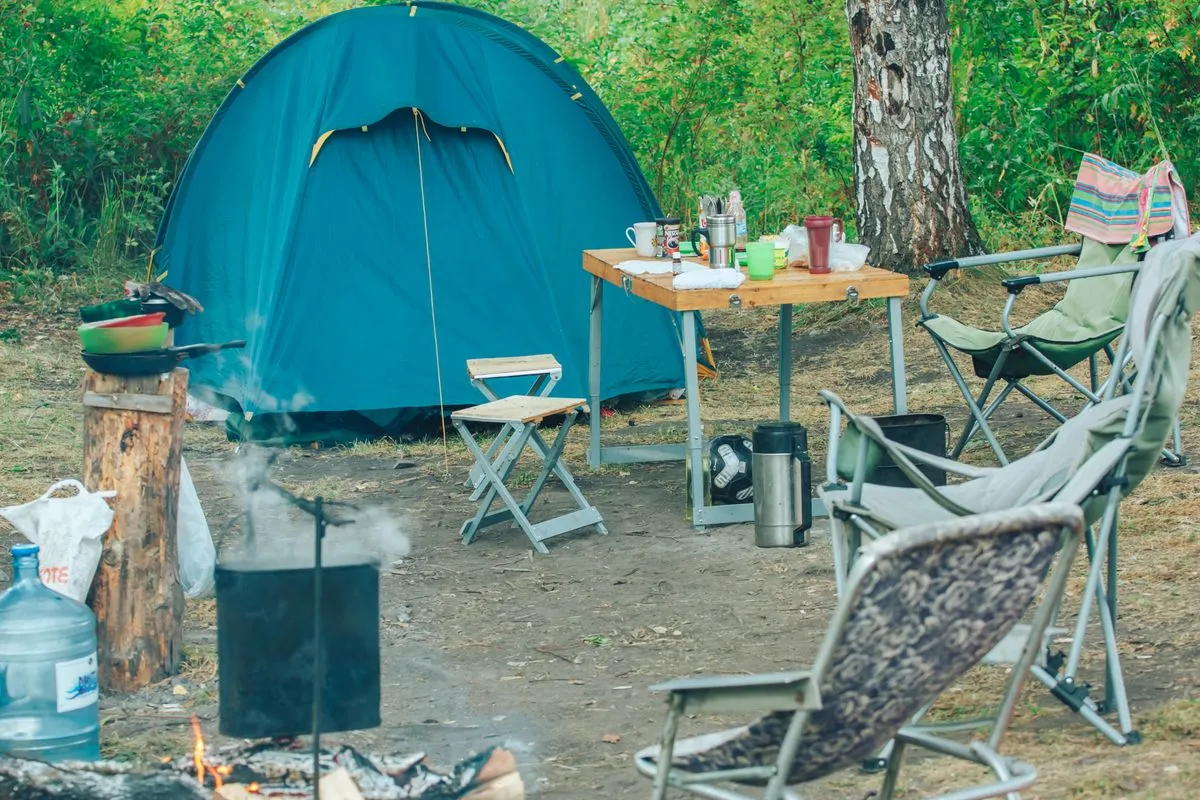
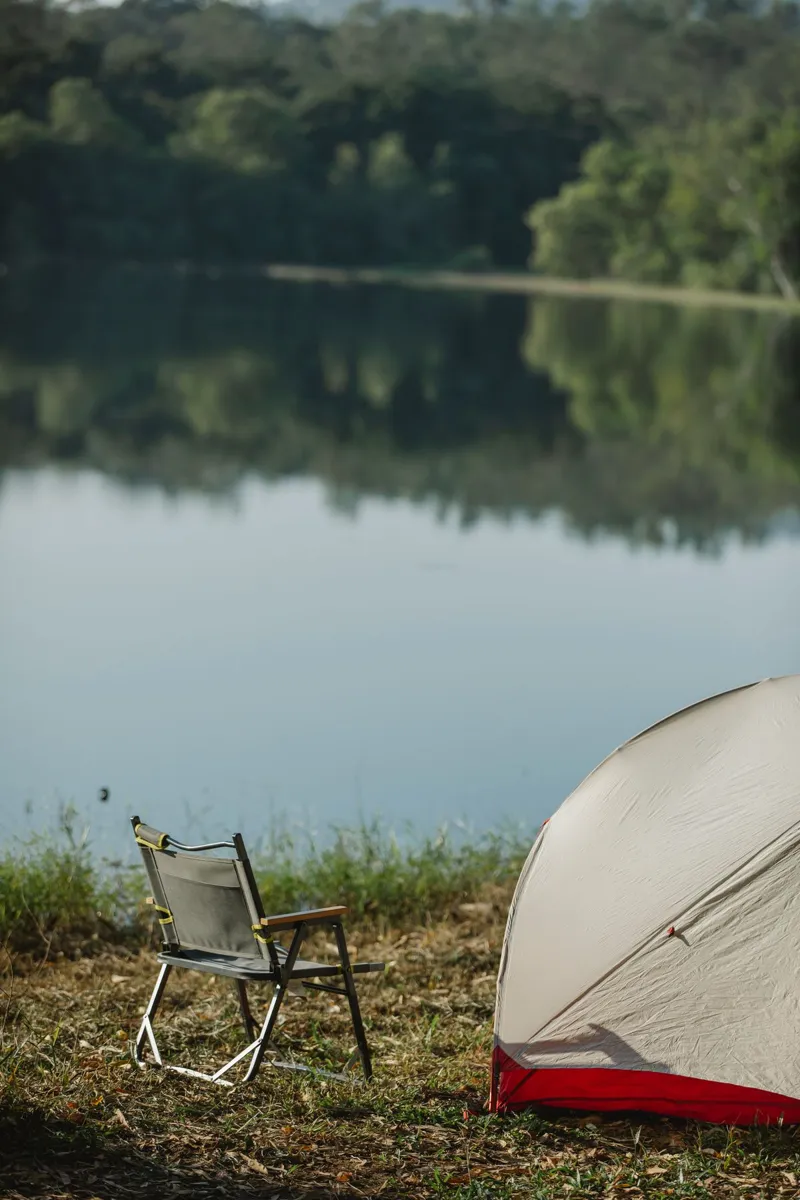
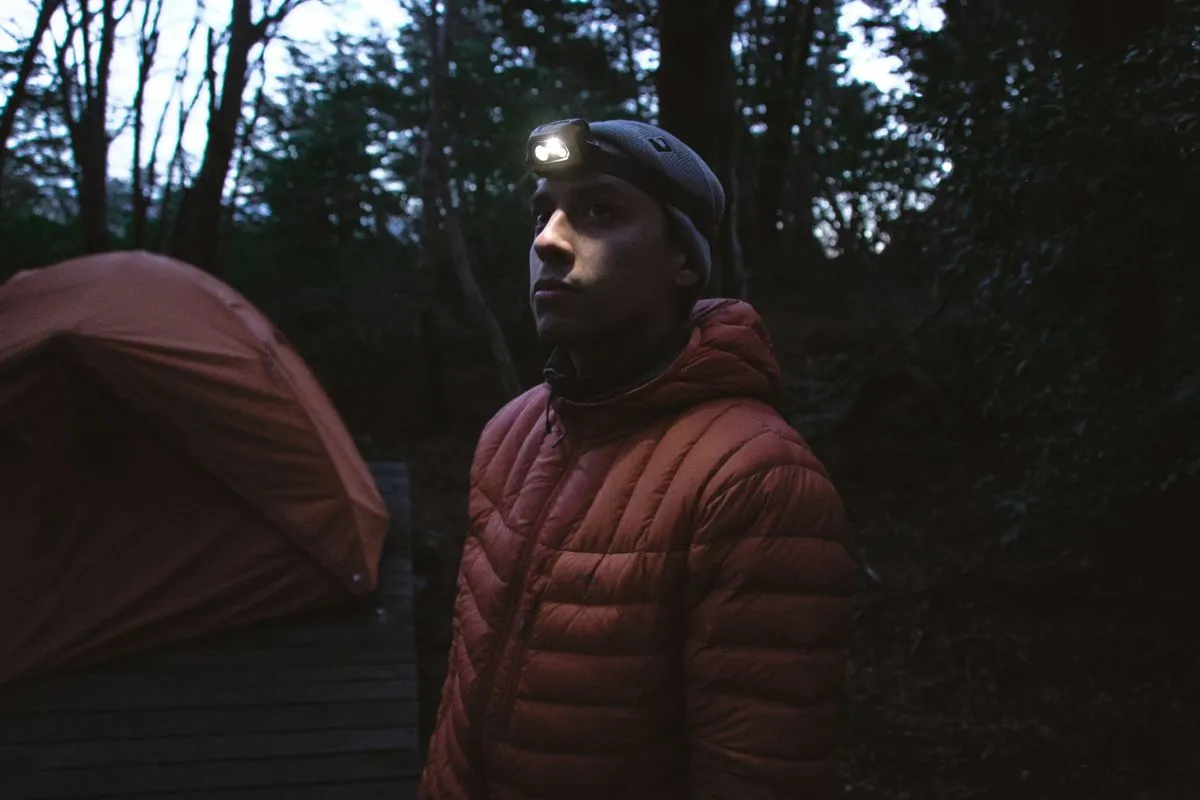
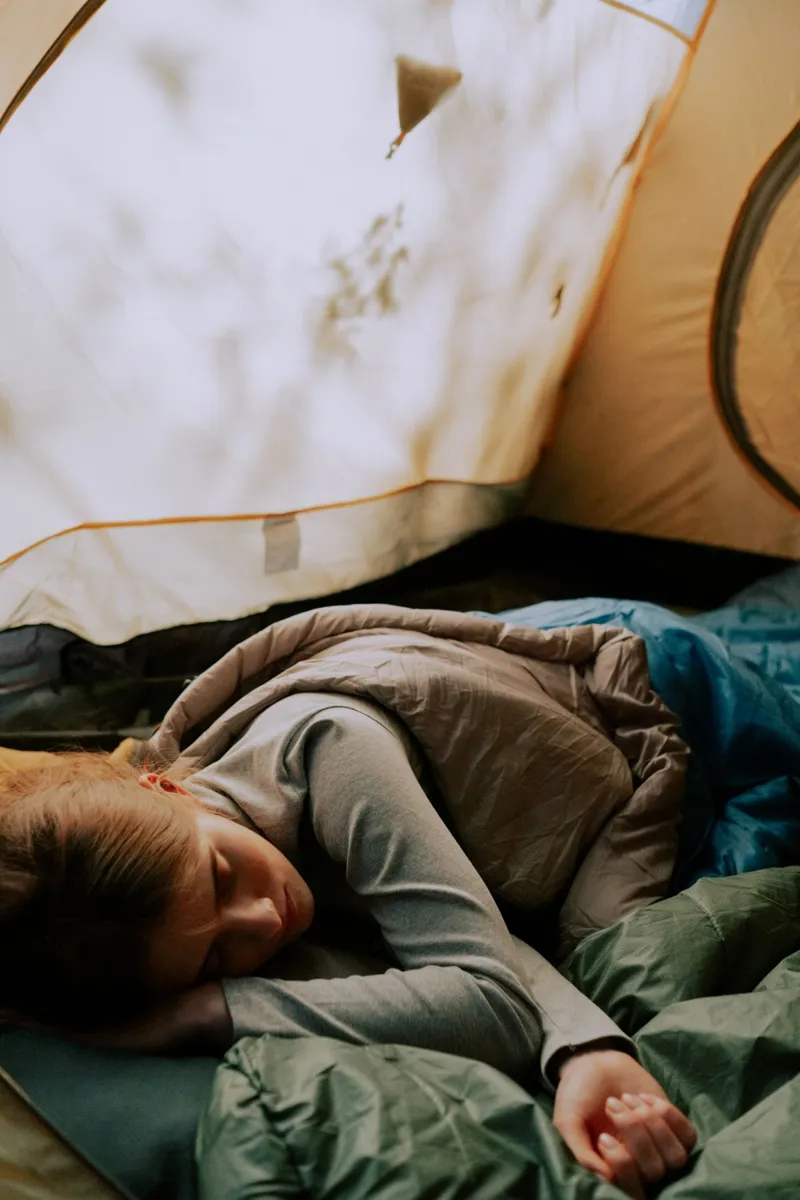
It is Friday evening, the car is full, and the youngest camper wants dinner before anyone has found the tent poles. In that moment, a tent needs to do more than look spacious in a photograph. It needs to fit your sleeping equipment, go up with the people who are actually available to help, and leave enough room for everyone to move. Shopping around that ordinary arrival is more useful than chasing the biggest person rating.
Compare the options
Measure beds before comparing capacity
Lay out your sleeping pads or mattresses at home. Add space for a doorway and a place to put the clothes you will need in the morning. REI explains that person ratings do not automatically include extra living or gear space. Treat those ratings as a first filter, then read the actual floor dimensions.
A queen mattress can create a very different layout from two narrow pads. Check whether the tent tapers, whether the door opens beside a bed, and whether anyone must climb over a sleeping companion. A paper sketch can eliminate an unsuitable tent before you pay for shipping.
Match the tent to the booked site
Read your campground reservation details before buying a large shelter. The usable tent pad, nearby obstacles and required separation from cooking areas may determine what fits. Leave room for guy lines rather than comparing only the inner tent footprint with the site dimensions.
A tent is one part of a weather plan. Read the manufacturer’s intended conditions, pitch instructions and anchoring requirements. A tall room-like shape is a comfort choice, not proof of storm performance. Do not interpret attractive expedition styling as evidence of an expedition rating.
Practice the least convenient part
Imagine the first pitch with only one adult free to help. Find the instructions online and count the actions you do not understand. Check whether the rainfly attaches separately and whether a footprint or special stakes are additional purchases.
Practice in daylight before departure. Label the storage bags and make sure the tent fits back into its carry bag without a wrestling match. Packing a damp tent temporarily is sometimes unavoidable, but open it to dry as soon as practical and follow the care instructions before long-term storage.
Spend on the weekend you actually take
A useful door, sensible ventilation and a floor that fits your beds are easier to appreciate than decorative dividers. If your family camps twice a year, borrowing a tent for the first trip can reveal more about your preferred layout than buying the most elaborate model immediately.
Compare the complete purchase: shelter, any required footprint, replacement stakes and delivery. Keep cooking outside the tent and follow campground food-storage rules. The tent should solve the sleeping problem; it should not become a reason to cram every other camp function into the same space.
Questions before you buy
Should four people buy a four-person tent?
Possibly, but only if the actual sleeping layout fits. Do not expect the capacity label to account for a large mattress, pets or a play area.
Is an instant tent always the easiest choice?
Not necessarily. The packed weight, reach required and final anchoring still matter. Review the full setup process rather than a speed claim alone.
Sources & editorial notes
This guide combines original shopping scenarios and editorial reasoning with the published resources below. It does not claim hands-on testing. Product specifications, availability and retailer terms can change; verify the exact listing before purchasing. Sources checked October 4, 2026.
Found something that needs correcting? Contact the editor.