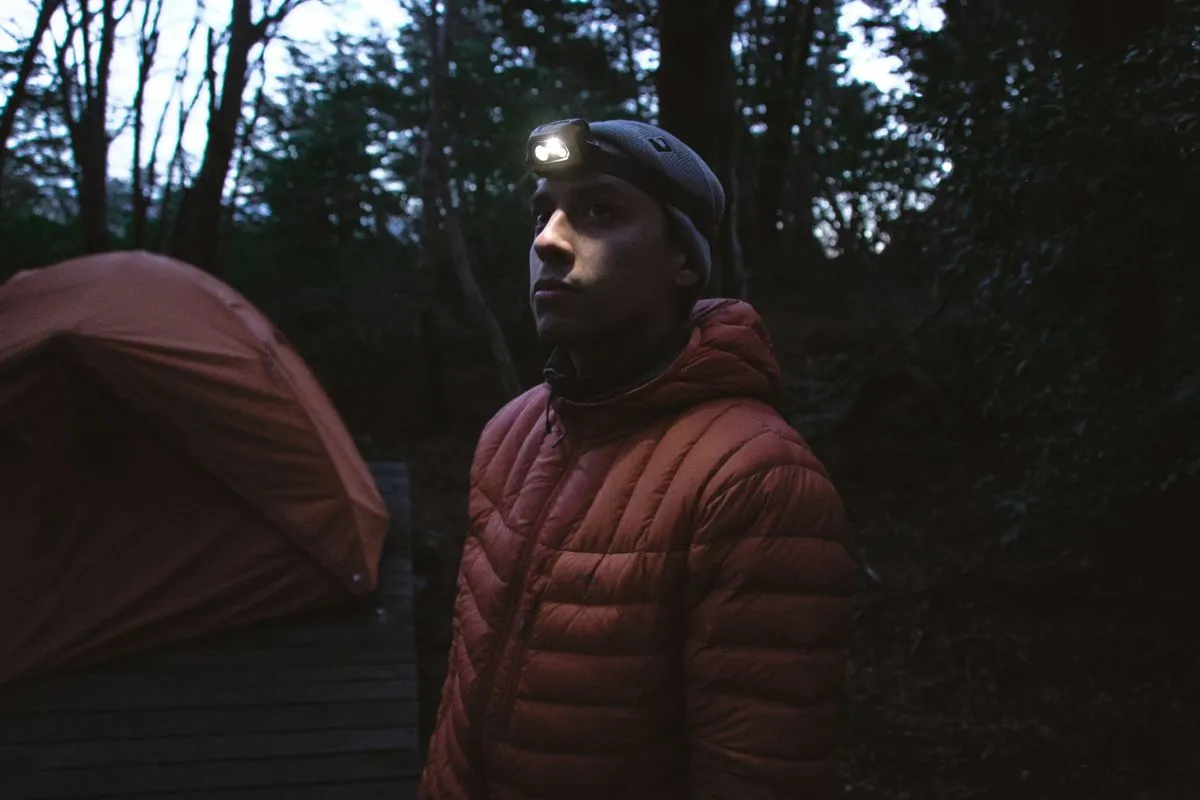
One hand holds the tent zipper, the other carries a mug, and the bathroom path is darker than expected. This is the everyday case for a headlamp. It frees your hands and puts light where you look. The right purchase is the one you can operate half-asleep without dazzling everyone nearby, not necessarily the brightest box on the shelf.
Compare the options
Compare the beam, not just the number
REI distinguishes wide flood lighting for nearby tasks from a focused spot for distance. Lumens describe total light output, but beam design affects where that light goes. Look for a useful combination if the same lamp must cover reading and a path walk.
Ask to compare lights in a setting where you can see the beam shape. A bright central spot and a smooth broad pool feel different even when packaging emphasizes similar output. Decide whether your priority is finding a zipper, following a route or both.
Use the controls before purchase
Try the switch without looking at it. Can you turn the light down directly, or must you cycle through bright and flashing modes? Check whether it remembers the previous setting and whether you can tilt it without loosening the headband.
A lockout can help prevent accidental activation inside a bag. Learn how to unlock it before the first trip. If gloves are part of your normal kit, bring them to the control test instead of assuming a tiny button will be manageable later.
Read runtime at useful brightness
Maximum output may be a short boost rather than a sustainable working mode. Compare the manufacturer’s runtime information at the brightness you expect to use, and look for clarification about how output changes as the battery drains.
Build a power routine around the trip. Charge before departure, confirm the compatible cable, and protect spare batteries from accidental contact. A phone flashlight is useful in many situations, but treating it as your only light also ties illumination to the phone’s remaining power.
Keep comfort and consideration in the decision
Wear the lamp long enough to notice forehead pressure and slipping. A design that feels secure over a winter hat may behave differently on a bare head. If it has a rear battery pack, consider how that feels when you lean against a camp chair.
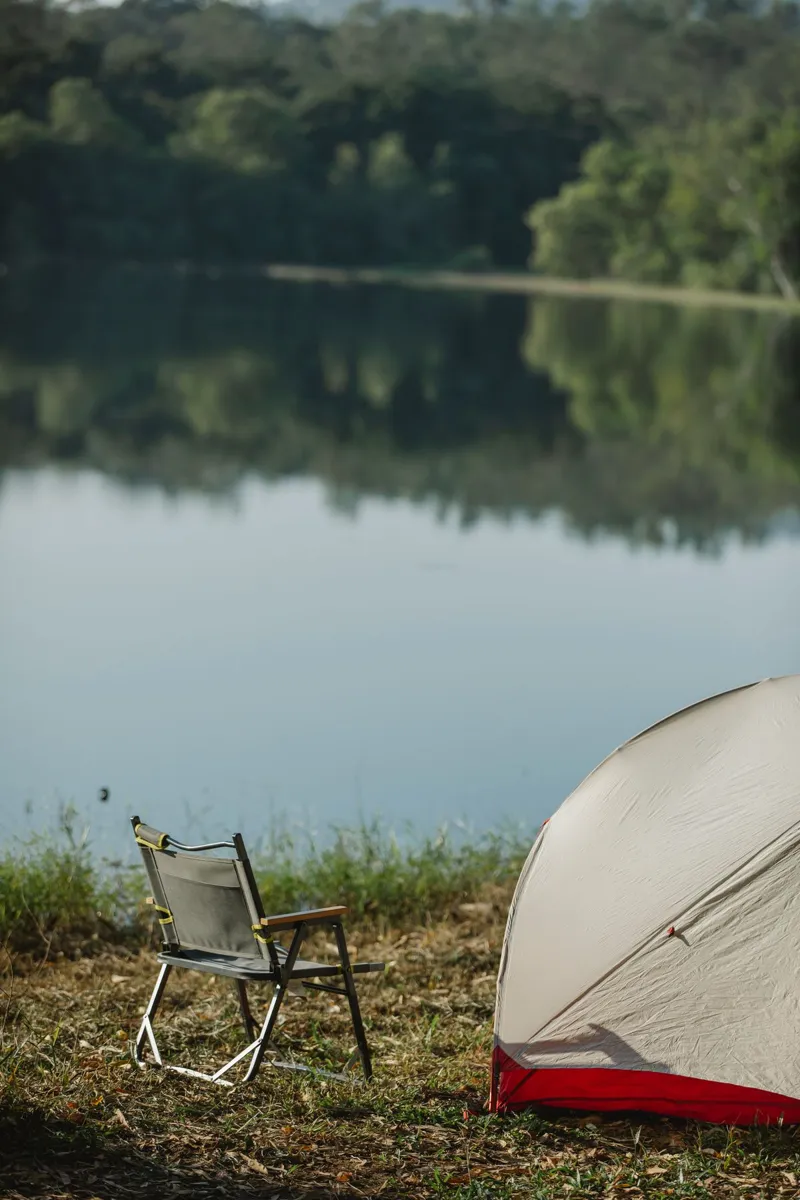
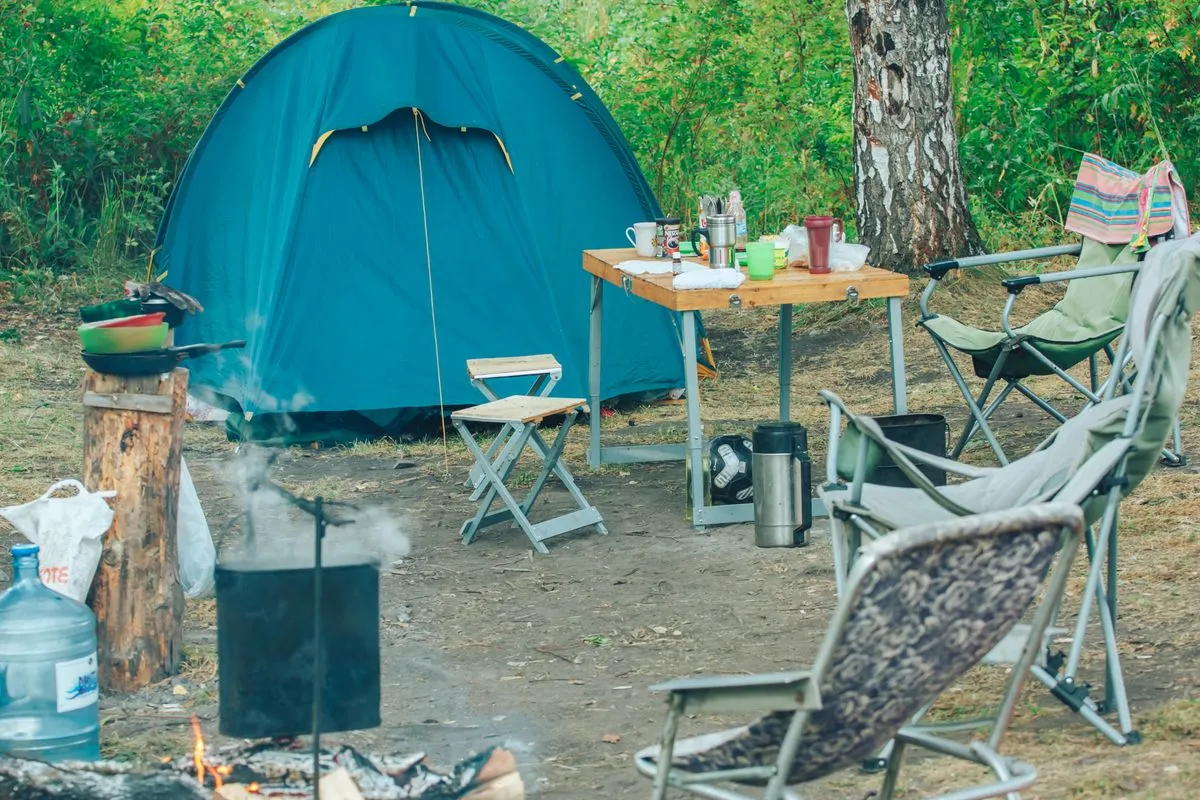
At camp, angle the light down and choose a low level around other people. Red-light modes can be convenient, but good manners do not depend on a special color. Spend on a reliable control layout and a sensible power plan before paying for output you will rarely use.
Questions before you buy
Do I need a very high lumen count?
Not automatically. Match the beam pattern and usable brightness to the task, then check runtime at that level.
Are all headlamps waterproof?
No. Read the specific model’s water-resistance rating and instructions. Do not infer immersion protection from a general outdoor label.
Sources & editorial notes
This guide combines original shopping scenarios and editorial reasoning with the published resources below. It does not claim hands-on testing. Product specifications, availability and retailer terms can change; verify the exact listing before purchasing. Sources checked October 4, 2026.
Found something that needs correcting? Contact the editor.